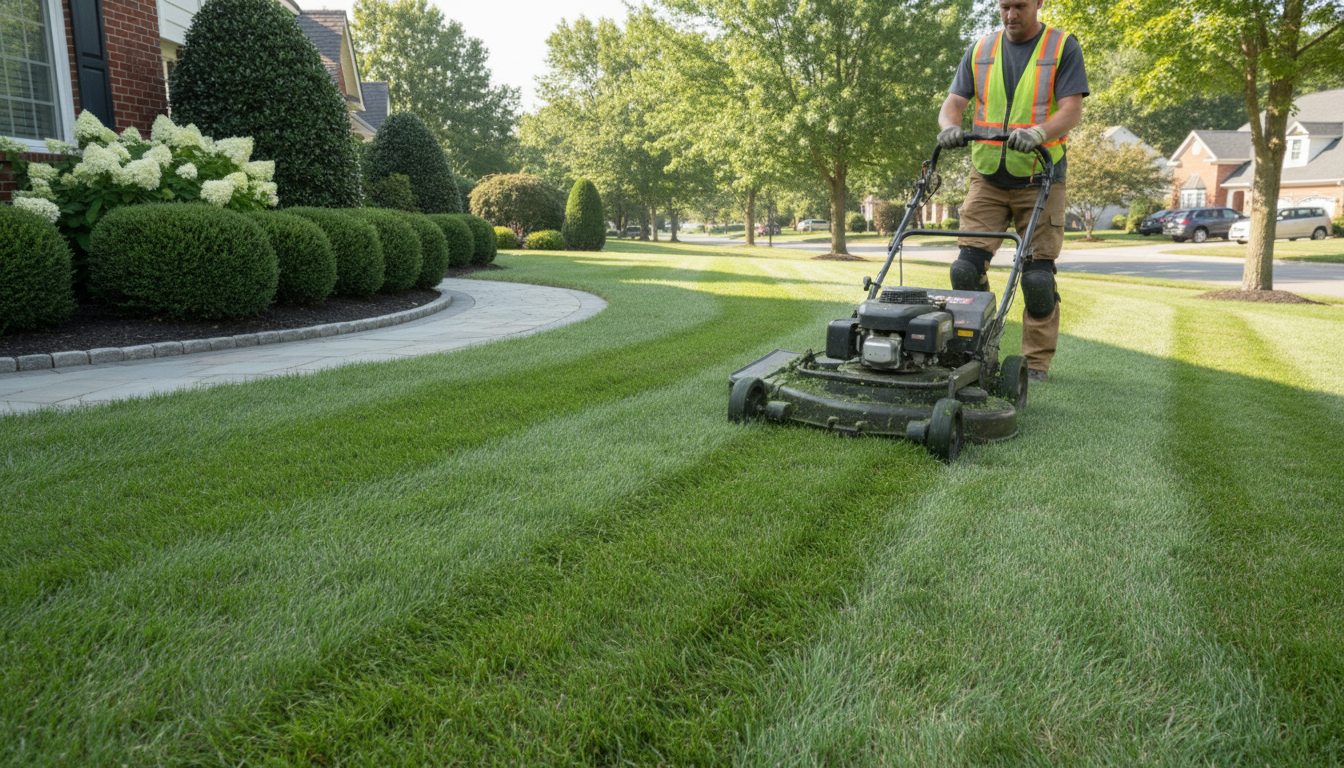
Effective Omaha lawn care tips prioritize fall aeration and overseeding to improve soil health, combined with deep watering in the early morning to prevent fungal diseases. Homeowners should maintain a taller grass height and fertilize in the autumn to ensure the lawn remains resilient during the winter. Consistent weed control and removing thick layers of leaves are also necessary for preserving a lush, green landscape throughout the year.
Maintaining a lush, green lawn in Omaha often feels like a losing battle against Nebraska’s unpredictable climate. Many homeowners watch their turf thrive in the mild spring only to see it succumb to the relentless heat of July; this cycle of frustration typically stems from a lack of timing rather than a lack of effort. At CCR Pro Lawn Services, we know that a professional-grade landscape requires a strategic, year-round approach tailored to our specific regional soil and weather patterns. In this comprehensive guide, we will provide the expert framework necessary to sustain healthy cool-season grass through every season. You will learn essential mowing and irrigation techniques for high heat, critical fall restoration steps, and professional standards like the one-third rule to ensure your lawn remains resilient and vibrant throughout the year.
Understanding Omaha's Cool-Season Grass Types
Successful lawn management in Eastern Nebraska starts with recognizing that our environment is specifically suited for cool-season grasses. Unlike the Bermuda or Zoysia found further south, Omaha lawns primarily consist of Kentucky Bluegrass and Tall Fescue. These varieties are engineered to thrive when temperatures range between 60 and 75 degrees Fahrenheit, which is why your yard looks its best during the moderate stretches of May and September.
However, being cool-season means these grasses face significant physiological stress during the peak heat of July and August. Understanding which type you have is the first of many Omaha lawn care tips for maintaining a resilient property. Kentucky Bluegrass is the traditional choice for a golf course appearance. It is soft, dense, and spreads via underground rhizomes to fill in bare spots. The trade-off is its shallow root system, which demands frequent irrigation during dry spells to prevent dormancy.
In contrast, many homeowners in neighborhoods like Millard or West Omaha are turning to Tall Fescue. This variety is better equipped for the heavy clay soil common in our region. Its roots can reach depths of two to three feet, providing superior drought tolerance and a tougher exterior against foot traffic. Because it grows in bunches rather than spreading like Bluegrass, it does not self-repair as easily, but it remains green longer during Nebraska's intense summer heat waves.
Feature | Kentucky Bluegrass | Tall Fescue |
|---|---|---|
Drought Tolerance | Moderate to Low | High |
Maintenance Level | High (Water/Fertilizer) | Moderate |
Soil Preference | Loamy, well-drained | Heavy Clay / Diverse |
Texture | Fine, soft | Coarse, durable |
Properly identifying your grass type allows for a more tailored approach to the comprehensive range of seasonal services required to keep a lawn healthy throughout the year.
Spring Fundamentals: Waking Up Your Omaha Lawn
As the ground thaws in Douglas County, your first priority is clearing the slate. A thorough spring cleanup is essential to remove the accumulated leaf litter, fallen branches, and matted grass that can trap moisture against the soil. If left unattended, this debris creates an ideal environment for fungi like snow mold to thrive as temperatures rise. Clearing this layer allows the soil to breathe and ensures that sunlight reaches the crown of the plant.
Timing is everything when applying pre-emergent herbicides to combat crabgrass. In Omaha, you should monitor soil temperatures closely; once the ground consistently reaches 55 degrees Fahrenheit, crabgrass seeds begin to germinate. Applying your treatment just before this threshold creates a protective barrier that stops these weeds before they take root. Missing this window often leads to a season long struggle with invasive annual grasses.
When you pull the mower out for the first time, set the deck slightly lower than your usual summer height. This initial cut helps remove dead, brown grass tips and encourages new growth by allowing sunlight to warm the soil surface more effectively. However, this is the only time you should cut low. For all subsequent visits, follow standard Omaha lawn care tips by adhering to the 1/3 rule. This means never removing more than one-third of the total grass height in a single session to avoid stressing the plant. Establishing these habits early sets the foundation for a comprehensive range of seasonal services that keep your property resilient.
Summer Survival: Mowing and Watering Tips for High Heat
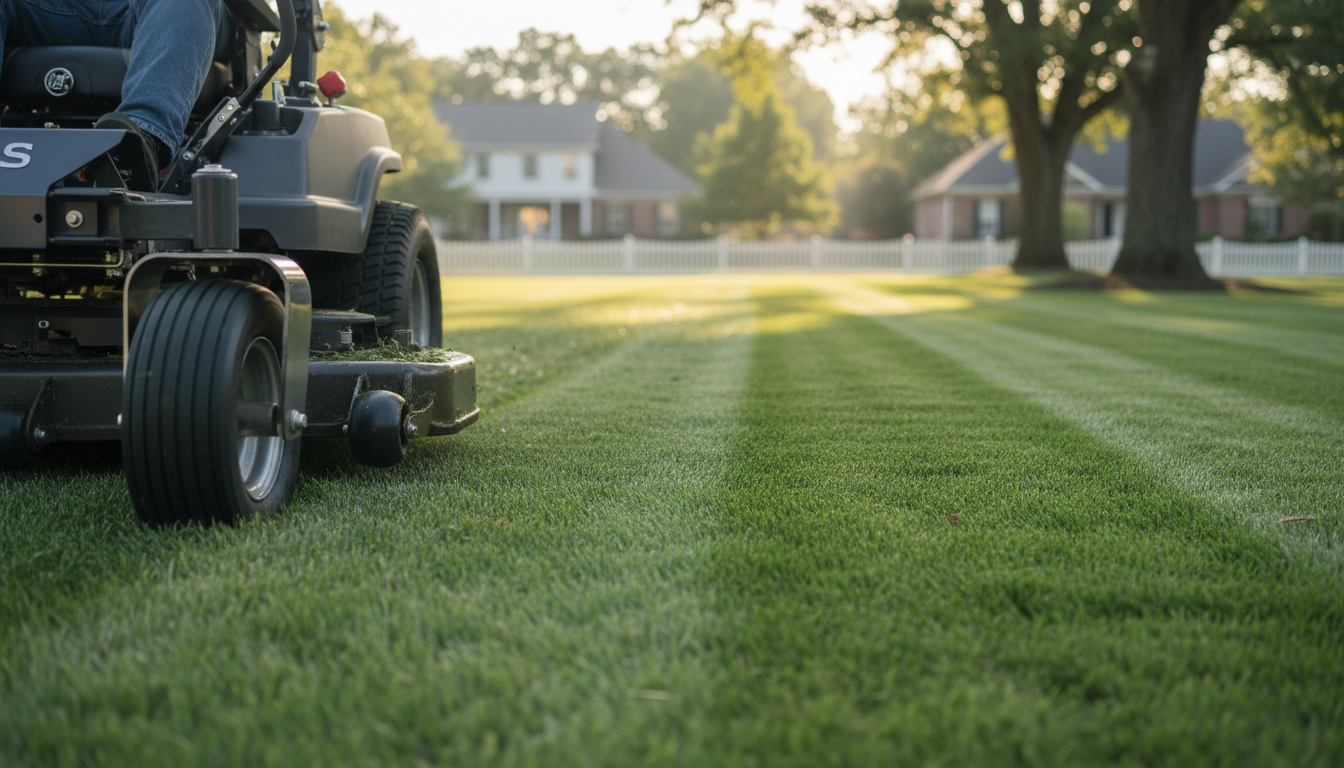
Maintaining a lush yard through a Nebraska July requires a shift in strategy. Once those 90 degree days arrive, the primary goal transitions from aggressive growth to survival. A common question homeowners ask is how often should I water my lawn in Nebraska. While it is tempting to provide a light daily sprinkle to cool the grass, this actually weakens the plant by encouraging shallow root systems. Instead, aim for deep, infrequent watering. Your lawn needs approximately 1 to 1.5 inches of water per week, ideally delivered in only two or three sessions. This method forces the roots to reach deeper into the soil for moisture, making the grass more resilient during dry spells.
Timing your irrigation is just as critical as the volume. Schedule your sprinklers to run between 4:00 AM and 9:00 AM. Watering during these early hours ensures the moisture reaches the soil before the midday sun causes excessive evaporation, yet it allows the grass blades to dry quickly. Watering late at night is a mistake, as it leaves the lawn damp for too long and invites fungal diseases like Brown Patch or Summer Patch.
Mowing habits must also adapt to the heat. We strictly adhere to the 1/3 rule, which dictates that you should never remove more than one-third of the grass blade height in a single mow. Forcing a shorter cut during a heatwave stresses the plant and forces it to use vital energy for blade repair rather than root maintenance. In fact, you should raise your mower deck to 3.5 or 4 inches during the peak of summer. Taller grass provides necessary shade for the soil surface, reducing moisture loss and protecting the delicate root zone from scorching temperatures. These technical adjustments are a core part of the comprehensive range of seasonal services we provide to keep local landscapes resilient. By following these Omaha lawn care tips, you can prevent your cool-season grass from entering a premature or damaging state of dormancy.
Fall Restoration: The Most Critical Season for Nebraska Lawns
While spring is about waking up, fall is the true new year for Nebraska lawns. As temperatures drop and the soil remains warm, cool-season grasses stop focusing on blade growth and shift their energy toward root development. This makes the window between late August and October the most vital period for professional maintenance.
For Omaha properties with compacted clay soil, core aeration is the single most effective way to improve lawn health. By removing small plugs of soil and thatch, we alleviate compaction and allow oxygen, water, and nutrients to reach the root zone. This is also the ideal time for overseeding. The holes created by aeration provide the necessary seed-to-soil contact for new Fescue or Bluegrass to germinate before the first hard freeze.
Homeowners often ask: When should I apply most of my fertilizer for cool-season grass? In Omaha, you should deliver the bulk of your lawn’s annual nitrogen between late August and late October. During these months, the grass builds up carbohydrate reserves that sustain it through the winter and fuel its green-up in the spring. Unlike spring applications that focus on top-growth, fall fertilization builds the foundation for long-term health.
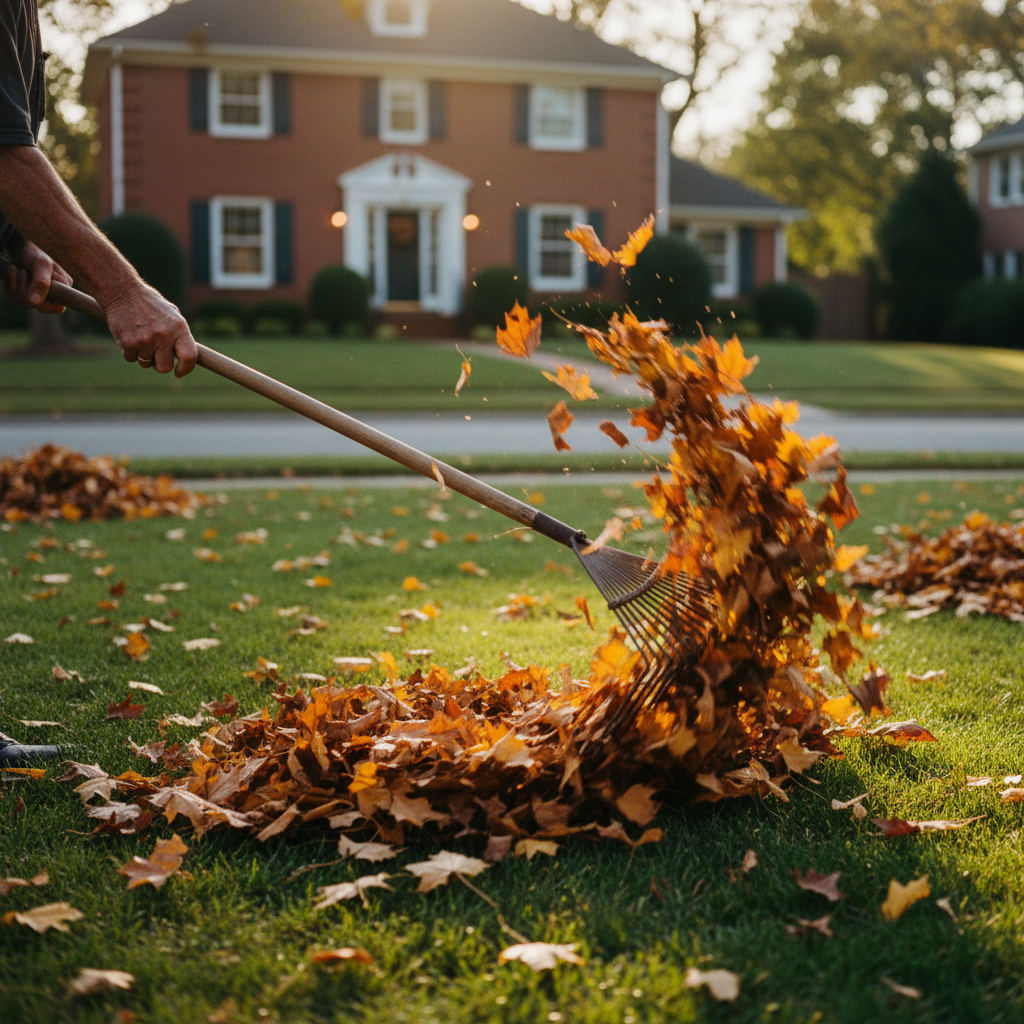
Effective leaf management is the final pillar of fall care. A thick blanket of leaves can quickly smother your turf, blocking sunlight and trapping moisture that leads to mold and fungal issues. Regularly removing or mulching leaves ensures your grass continues to photosynthesize as long as possible. If the seasonal workload becomes overwhelming, you can contact CCR PRO LAWN SERVICES to handle these tasks as part of a comprehensive range of seasonal services. Proper fall restoration ensures the turf remains strong enough to survive the dormant winter months and the reliable snow removal activities that soon follow.
Winter Care and the Impact of Snow Removal
Properly managing your landscape does not end when the first blizzard hits Douglas County. While Kentucky Bluegrass and Tall Fescue are dormant, they remain susceptible to physical and chemical damage throughout the winter. One of the most overlooked Omaha lawn care tips involves the careful selection of deicing agents. Standard rock salt, or sodium chloride, can lead to salt burn by drawing moisture away from the grass roots and preventing nutrient uptake in the spring. To protect your turf, opt for products containing Calcium Magnesium Acetate (CMA) or potassium chloride, which are significantly less abrasive to vegetation than traditional salt.
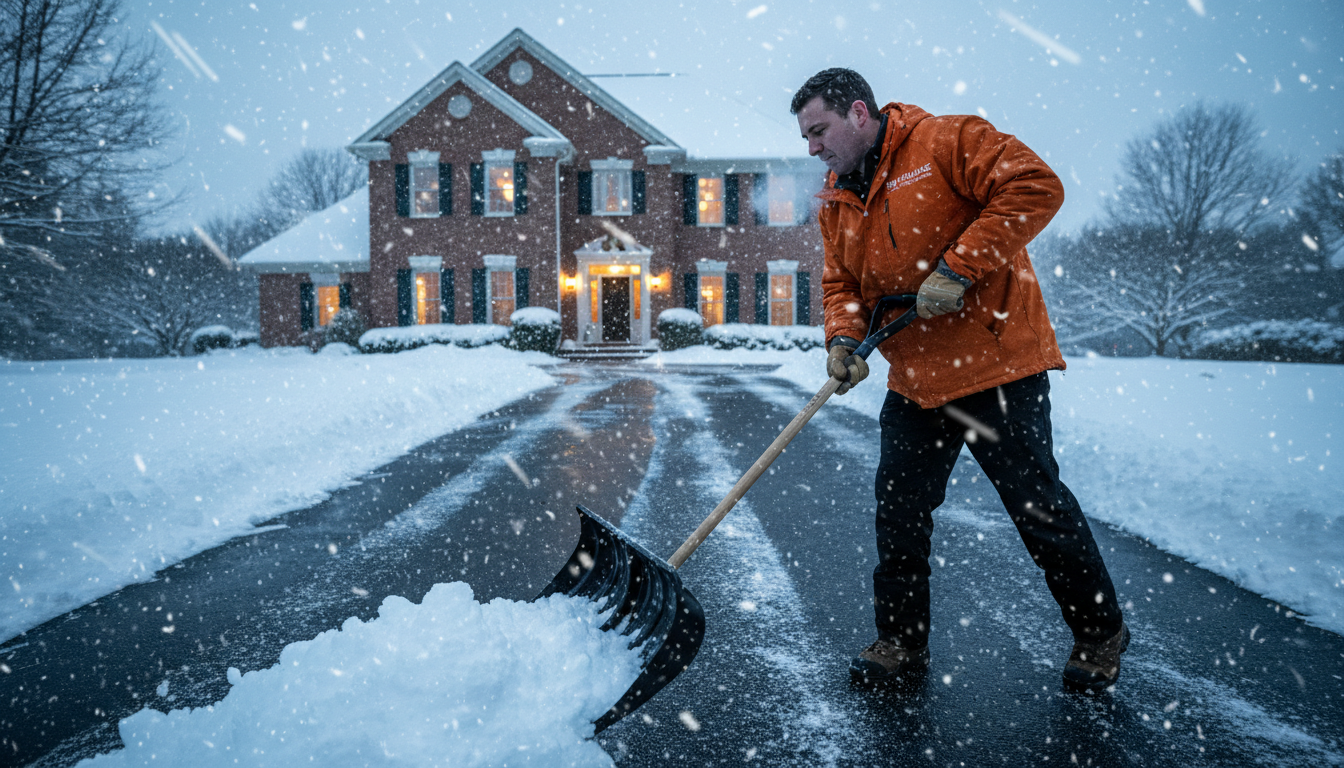
Physical stress is equally concerning during a Nebraska winter. Although the grass is not actively growing, the crowns remain alive just at the soil surface. Walking on frozen turf or allowing heavy snow to be piled in concentrated areas along driveways can lead to severe soil compaction and crown death. This damage often goes unnoticed until the spring thaw reveals thin or dead patches. Utilizing reliable snow removal ensures that pathways remain clear and safe for your family while preventing the haphazard piling that compromises lawn health. By integrating these winter practices into your comprehensive range of seasonal services, you maintain the structural integrity of your landscape until the spring wake up begins.
Demystifying Pro Rules: The 1/3 Rule and the 150 Rule

Professional turf management relies on data rather than guesswork. To master your property, you should implement two specific formulas. The 1/3 Rule is the gold standard for mowing. It states that you should never remove more than one third of the total grass height during a single cut. If your Tall Fescue has reached six inches, your first pass should only take off two inches. This practice ensures the plant retains enough leaf surface to continue photosynthesis without entering a state of shock.
The 150 Rule is equally vital for timing your applications. This rule is the sum of the current air temperature and the soil temperature at a depth of four inches. When this combined number reaches 150, cool-season grasses in Nebraska begin to slow their growth to conserve energy. Reaching this threshold signals that the window for heavy spring fertilization has closed, as adding nitrogen in high heat can lead to turf burn. Incorporating these Omaha lawn care tips into your routine, or utilizing a comprehensive range of seasonal services, ensures your lawn receives the right treatment at the precise moment it needs it.
Common Omaha Lawn Care Mistakes to Avoid
Implementing the right Omaha lawn care tips often means knowing what not to do as much as following a rigid schedule. Many homeowners inadvertently damage their properties by following outdated advice or misreading the physiological signals of their cool-season grass. Avoiding these common errors ensures your lawn remains resilient through the harshest Nebraska weather.
Watering late at night: Irrigating in the evening keeps the blades damp for twelve hours or more, creating an ideal environment for Nebraska turf diseases like Brown Patch. Always water in the early morning to allow the sun to dry the grass surface.
Scalping the lawn in summer: Cutting the grass too short during a July heatwave exposes the soil surface to direct sunlight. This increases evaporation and stresses the root zone, violating the 1/3 rule and weakening the plant.
Misidentifying dormancy: Assuming the lawn is dead when it turns brown in August is a common mistake. Cool-season varieties often enter heat-induced dormancy to survive high temperatures; aggressive fertilizing during this phase can actually kill the grass.
Ignoring fall fertilization: Many residents stop maintenance once the weather cools, but skipping the late-season nutrient application prevents the grass from building the reserves needed to survive the winter.
Homeowners who find these technical requirements difficult to manage can contact CCR PRO LAWN SERVICES to ensure their property receives a comprehensive range of seasonal services. Maintaining these standards prevents the need for costly repairs once the spring thaw arrives and the need for reliable snow removal has passed.
Maintaining a healthy lawn in Omaha requires consistent effort across every season. By following these steps for aeration, fertilization, and proper mowing, you ensure your cool-season grass thrives year-round. However, we understand that balancing a busy schedule with detailed yard work can be a challenge. If you want expert help to achieve the best results without the stress, you can learn more about our team. We are here to help you enjoy a beautiful, lush yard without all the heavy lifting.