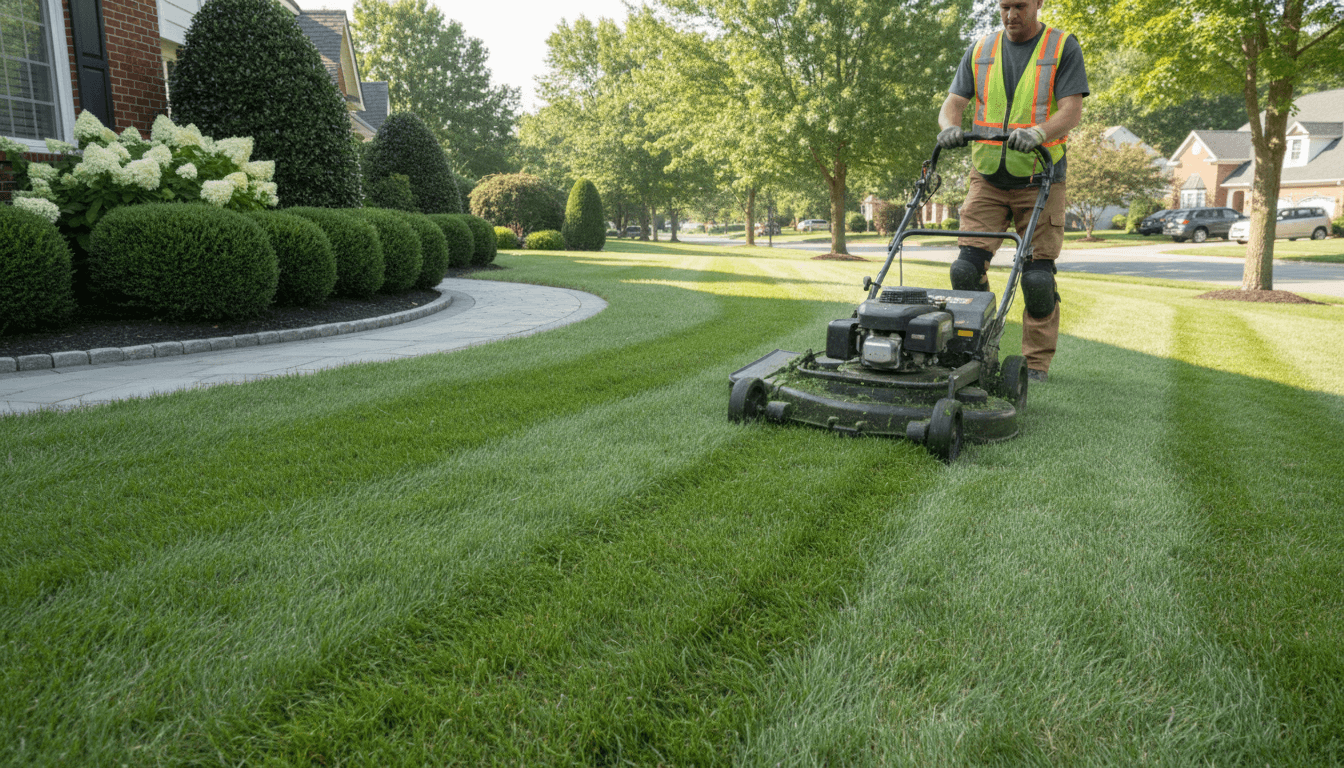
A successful Omaha fall lawn care schedule involves aerating and overseeding between mid-August and late September when soil temperatures are ideal for germination. Residents should also apply a late-season fertilizer to strengthen roots before winter and continue mowing until the grass stops growing; this ensures the lawn remains healthy for a vibrant spring return.
Omaha residents often watch their lush summer turf fade into brown dormancy, fearing that another harsh Nebraska winter will leave their lawn thin and patchy come April. While it is tempting to park the mower as soon as the temperature drops, the success of your spring landscape is actually determined by the strategic actions you take during these final weeks of growth. At CCR PRO LAWN SERVICES, we know that localized timing is everything. Our region presents unique challenges, from erratic frost dates to heavy clay soils that require professional attention to maintain a healthy root system. This guide provides a month by month timeline specifically designed for Omaha homeowners. You will learn the optimal schedule for core aeration and overseeding, the logic behind winterizer fertilizers, and how to adjust your mowing height to prevent snow mold before the first blizzard hits.
Why Fall is the Most Critical Season for Omaha Lawns
In Nebraska, fall represents far more than just raking leaves. For local lawns composed of cool season grasses like Tall Fescue and Kentucky Bluegrass, this is the primary window for recovery and long-term preparation. The Omaha climate creates a unique set of stressors; our intense, dry summers bake the heavy clay soil until it is rock hard, while our freezing winters threaten to damage vulnerable root systems. Following a disciplined Omaha fall lawn care schedule is the only way to reverse summer damage and fortify the turf against the coming sub-zero temperatures.
We view this period as a Year-Round Hand-Off. The work performed during these months directly dictates how your property handles the next two seasons. A professional lawn maintenance plan ensures that the turf is healthy enough to spring back to life as soon as the ground thaws. Furthermore, proper fall care, such as precise leaf management and perimeter trimming, sets the stage for reliable snow removal later in the year. A clean, well-defined property line allows for safer and more efficient plowing once the Nebraska blizzards arrive. By investing in a comprehensive range of seasonal services now, you are not just maintaining a lawn; you are engineering a smoother transition into winter and a faster, greener recovery next April.
The Omaha Fall Lawn Care Timeline: Key Dates and Milestones
Successful lawn management in Eastern Nebraska relies on hitting specific biological triggers. Following a disciplined Omaha fall lawn care schedule ensures you are working with the local climate rather than against it. The process begins with monitoring soil temperatures, as these dictate when grass moves out of summer survival mode and into active growth.
Late August serves as the initial recovery phase. As the intense heat of a Nebraska summer breaks, we look for the 2-inch soil temperature to hold at or below 65°F. The official window for seeding opens around August 25, marking the start of the most productive period for cool season turf.
September is the core month for growth and repair. This is the highest priority window for a professional lawn maintenance routine. Because our local soil is often heavy clay, September provides the best opportunity to alleviate summer compaction while the grass is actively spreading and building density.
By October, the focus shifts to strengthening. The seeding window in Omaha effectively closes by October 10. Planting after this date is risky, as young seedlings rarely have enough time to establish a root system before the first frost, which typically arrives in the Omaha area by mid-October.
November marks the final stage of dormancy preparation. As vertical growth halts, the lawn focuses on storing carbohydrates in the root system. Managing this final month correctly is essential for a smooth transition into the comprehensive range of seasonal services that protect your property through the winter.
Phase | Timing | Primary Objective |
|---|---|---|
Recovery | Late August | Monitor soil temps; start seeding Aug 25. |
Repair | September | Aeration, overseeding, and active growth. |
Strengthening | October | Root development; seeding ends Oct 10; frost prep. |
Dormancy | November | Leaf management and winter hardening. |
Core Aeration and Overseeding: The Foundation of Local Turf
Omaha soil is notoriously heavy in clay. During the summer, this clay bakes under the sun, becoming dense and compacted. This compaction acts like a physical barrier, preventing water, oxygen, and nutrients from reaching the root zone. A professional lawn maintenance plan in Nebraska must include core aeration to break this cycle. Unlike liquid aeration, which uses chemical agents to temporarily soften soil, mechanical core aeration physically removes small plugs of dirt and thatch. This process immediately relieves pressure and creates direct channels into the root system.
The presence of these open holes is the primary reason why aeration and overseeding are paired together. We recommend seeding immediately after pulling plugs while the soil is exposed and the holes are fresh. These voids provide the perfect microclimate for new seeds, protecting them from being washed away and ensuring the direct soil contact necessary for germination. This synergy is a vital component of a successful Omaha fall lawn care schedule.
Delaying this process is a common mistake that leads to thin turf in the spring. In Nebraska, October is often too late for effective seeding. Young Fescue and Bluegrass seedlings need time to develop a resilient root system before the first hard freeze. By targeting the September window, you provide the grass with enough weeks of active growth to store the energy needed for winter survival. Utilizing a comprehensive range of seasonal services ensures these tasks are executed when the local climate is most favorable, preventing the wasted investment of planting seeds that cannot withstand a typical Omaha winter.
When to Stop Mowing and How to Adjust Your Height
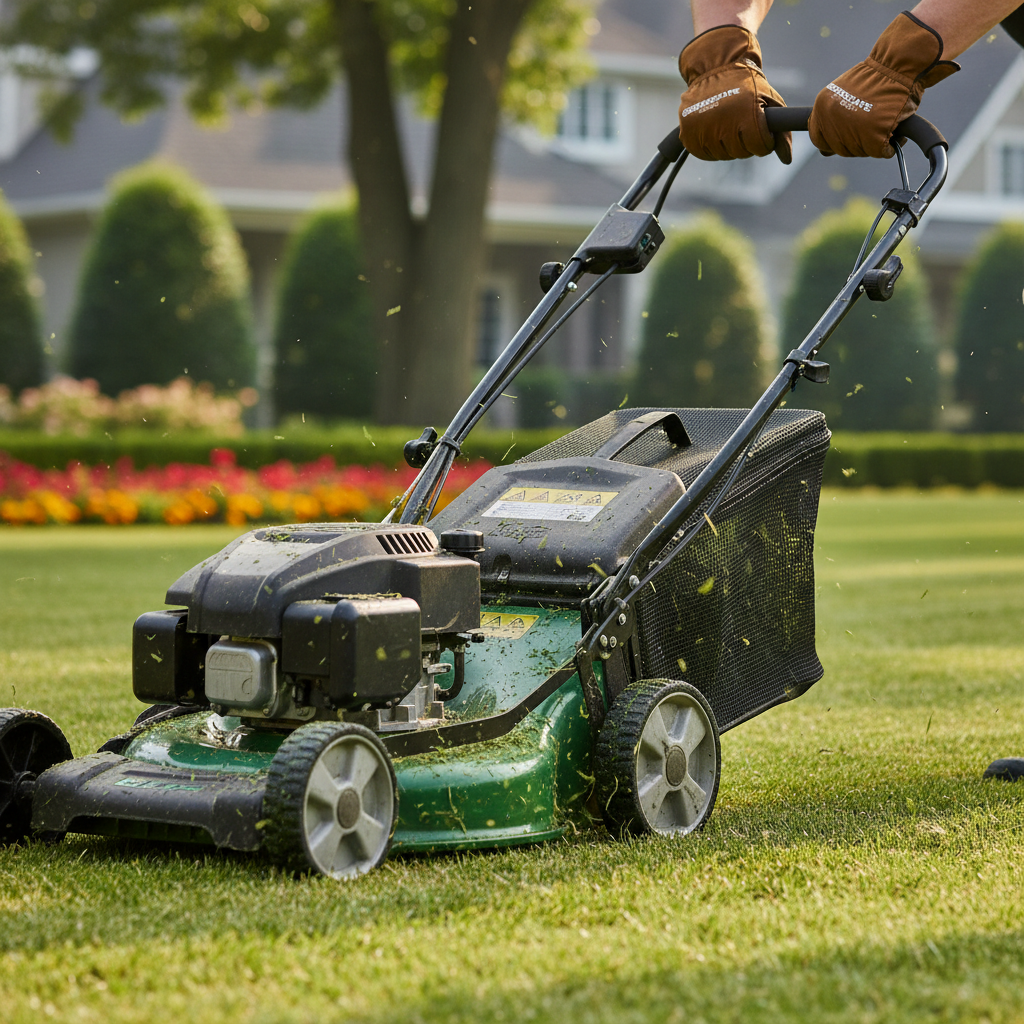
Determining when to stop mowing in Nebraska depends entirely on the grass's biological activity rather than a specific calendar date. While a professional lawn maintenance plan typically winds down in late October or early November, the true signal is dormancy. As temperatures drop, grass growth slows significantly. You should continue to mow as long as the blades are actively growing. Stopping too early leaves the grass long and prone to matting under snow, which creates a breeding ground for snow mold.
We recommend a gradual reduction strategy to prepare the turf for winter. Starting in mid-October, begin lowering your mower deck by approximately half an inch each week. This slow transition avoids the stress of a sudden scalp, which can damage the crown of the plant. Aim for a final height of 2 to 2.5 inches for the last cut of the season. This specific length is short enough to prevent the grass from falling over and trapping moisture, yet long enough to protect the roots from the harsh Omaha freeze.
Adjusting your mowing habits is a critical final step in a successful Omaha fall lawn care schedule, ensuring the turf is structurally sound before the first heavy snowfall. Maintaining this height also ensures a cleaner surface for our reliable snow removal team to navigate, as it prevents long, frozen blades from interfering with equipment or obscuring the defined edges of your walkways.
Fall Fertilization and Weed Control: The Winterizer Logic
Transitioning from the final mow to nutrient management is vital for turf survival. While spring fertilization focuses on rapid green-up and blade growth, fall feeding serves a different biological purpose. A proper Omaha fall lawn care schedule prioritizes "Winterizer" fertilizers. These specialized blends are formulated with higher levels of potassium, which strengthens the cellular structure of the grass and increases its resistance to the sub-zero temperatures typical of a Nebraska winter. This application is not meant to trigger a growth spurt; rather, it encourages the plant to store carbohydrates within the root system for a more resilient spring recovery.
Homeowners often confuse fall weed control with the pre-emergent applications used in March to stop crabgrass. In the fall, the strategy shifts toward targeting existing broadleaf weeds like dandelions, clover, and thistle. As these plants prepare for dormancy, they actively transport nutrients from their leaves down into their roots. By applying a targeted herbicide now, the plant draws the treatment directly into its root system, ensuring a more effective kill than in the spring. Incorporating this step into your professional lawn maintenance routine prevents these weeds from gaining a foothold before the ground freezes. Utilizing a comprehensive range of seasonal services ensures your turf is both nourished and clear of competitors before the focus shifts toward providing reliable snow removal for your property.
Leaf Management and Preparing for Omaha Snow Removal
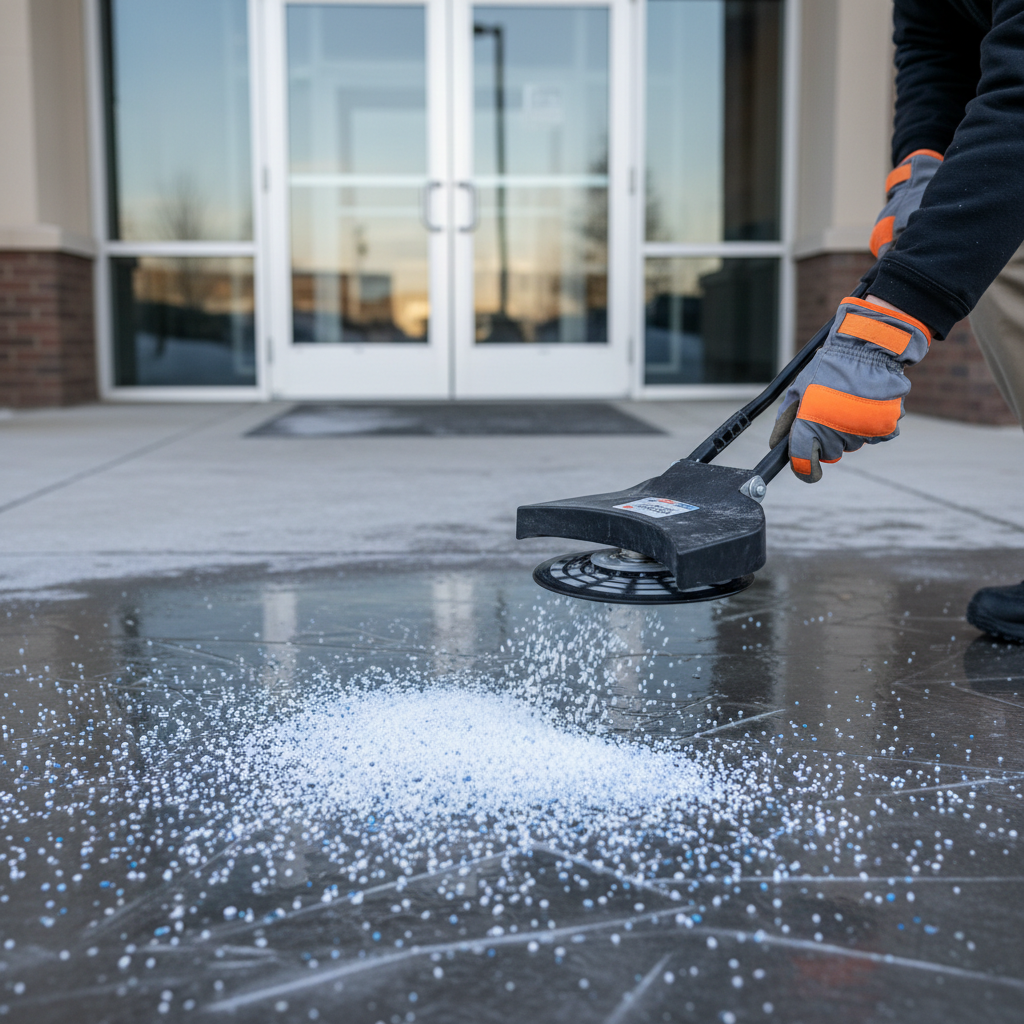
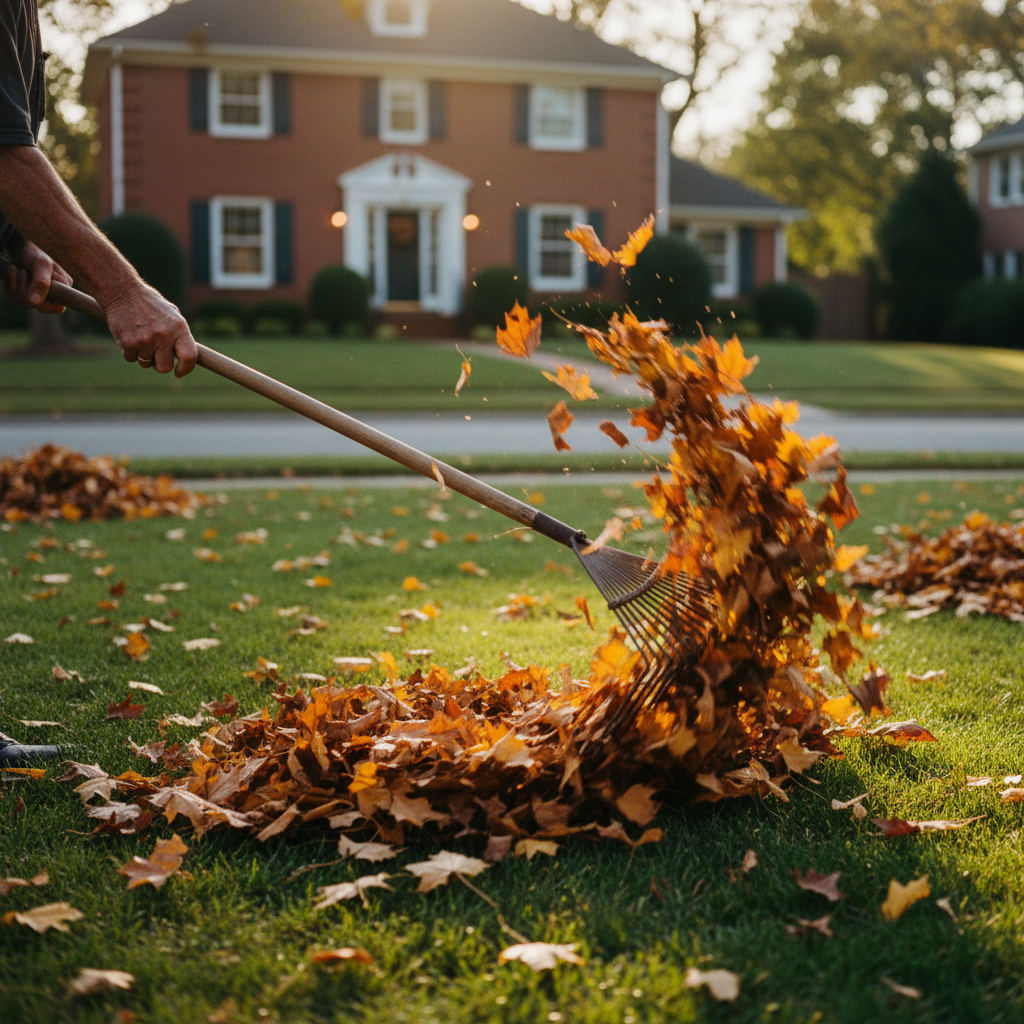
Managing the heavy leaf drop from Omaha’s mature oaks and maples is the final hurdle before the first freeze. While a few scattered leaves can be mulched into the soil to provide nutrients, allowing a thick mat to accumulate is dangerous for your turf. These mats trap moisture against the grass blades and block essential sunlight, creating an anaerobic environment that invites fungal pathogens and crown rot. As part of a disciplined Omaha fall lawn care schedule, removing this debris is non-negotiable for preventing snow mold once the ground is covered.
This cleanup also marks the critical transition from turf management to winter safety. Because we provide a comprehensive range of seasonal services, we understand how a clean property in November directly impacts the quality of reliable snow removal in January. When leaves and tall grass are cleared away from the edges of driveways and sidewalks, our teams can clearly identify the boundaries of your pavement. This precision prevents accidental damage to your turf or landscaping once the Nebraska blizzards bury the landscape under several inches of accumulation.
Furthermore, removing organic debris before the snow falls ensures a safer environment for both homeowners and clearing crews. Frozen, wet leaves hidden under snow can be extremely slippery and can clog snow removal equipment, leading to unnecessary delays. By completing a final professional lawn maintenance visit that includes leaf removal and perimeter trimming, you ensure your property is structurally prepared for the heavy equipment and high-volume clearing required to keep your Omaha home accessible all winter long.
Following a consistent fall maintenance schedule is the most effective way to ensure your Omaha lawn thrives when spring returns. Every step, from aerating to final fertilization, builds a foundation for long-term health. If you want expert help managing these seasonal tasks, CCR Pro Lawn Services is ready to assist. You can read more about our dedicated team and our local experience to see if our professional lawn care solutions are the right fit for your home this season.